Venue - TU Delft
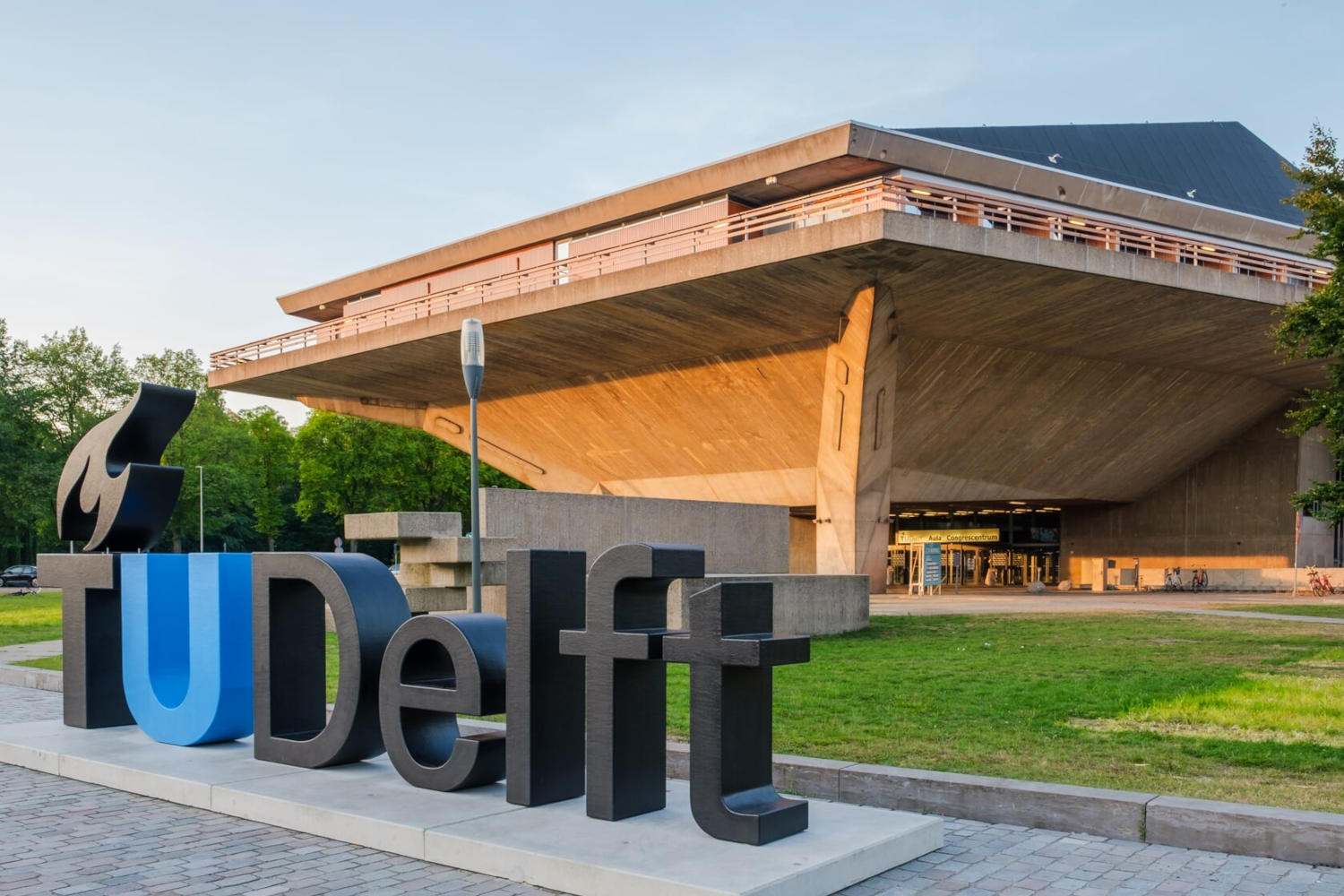
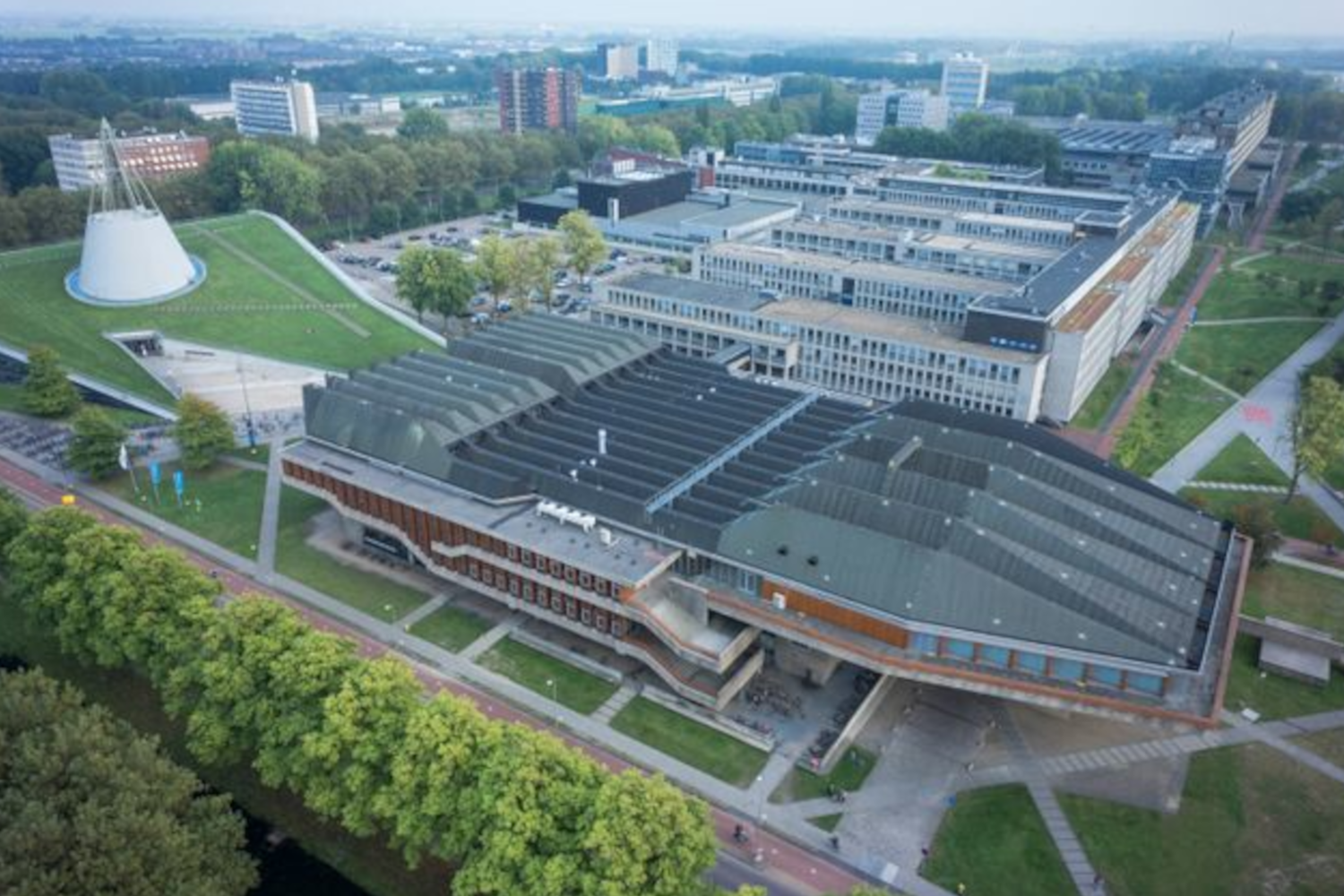
The Delft University of Technology is the oldest and largest Dutch public technical university, located in Delft, Netherlands. It specializes in engineering, technology, computing, design, and natural sciences.
It is considered one of the leading technical universities in Europe and is consistently ranked as one of the best schools for architecture and engineering in the world. According to the QS World University Rankings it ranked 3rd worldwide for architecture and 13th for Engineering & Technology in 2024. It also ranked 3rd best worldwide for mechanical and aerospace engineering, 3rd for civil and structural engineering, 11th for chemical engineering, and 12th for design.
With eight faculties and multiple research institutes, TU Delft educates around 27,000 students (undergraduate and postgraduate), and employs more than 3,500 doctoral candidates and close to 4,500 teaching, research, support and management staff (including more than 1,300 faculty members of all academic ranks in the Netherlands).
TU Delft has been engaged in biotechnological research since the very foundation of the field, starting with the appointment of Martinus Beijerinck as chair of biotechnology in 1895. Currently, the department of Biotechnology hosts 31 principal investigators in fields of bioprocess engineering, biocatalysis, environmental biotechnology, industrial microbiology, and biotechnology and society. Furthermore, the Bioengineering Institute brings together researchers across the entire university to apply bio-engineering and bio-inspired solutions in various engineering disciplines. The “Delft School of Microbiology”, coined by Cornelius van Niel, has influenced biotechnology education worldwide. A range of professional courses built on this foundation are offered through BioTechDelft [Biotechnology Courses – Biotech Delft].